Sourcing overseas comes down to three concerns: protecting your design, getting consistent quality, and communicating clearly. The sections below show how to de-risk each one.
The three worries, and how to close them
| Worry | What to look for | How we de-risk it |
|---|---|---|
| Your IP | Signs an NDA first, limits who can see your files, and never shows other customers' names | We sign before files move, and we never display customers' names or parts |
| Consistent quality | ISO 9001 / IATF 16949 / AS9100D, in-house inspection (FAI, in-process and sampling; full 100% on request), CMM measurement, material certificate (MTC) | All of the above, so part #1,000 matches the first article you approved |
| Communication | Time-zone overlap, native English, fast turnaround | North-American office, English-speaking PMs, 48-hour quotes |
Your IP
Sign a non-disclosure agreement (NDA) before any file changes hands, and choose a supplier that limits who can open those files and never shows other customers' names or parts. We do all three, and we sign before any files are exchanged.
Consistent quality
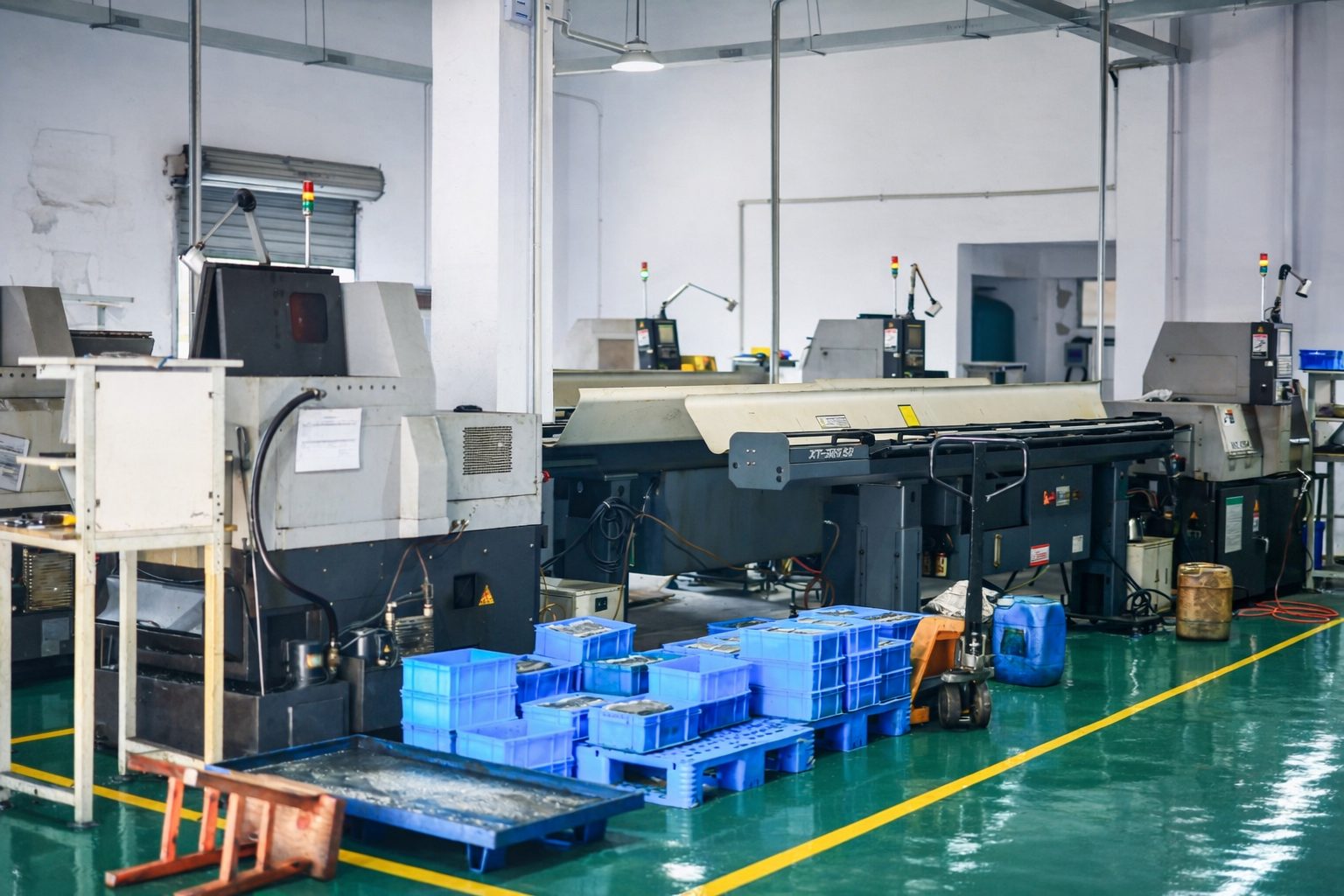
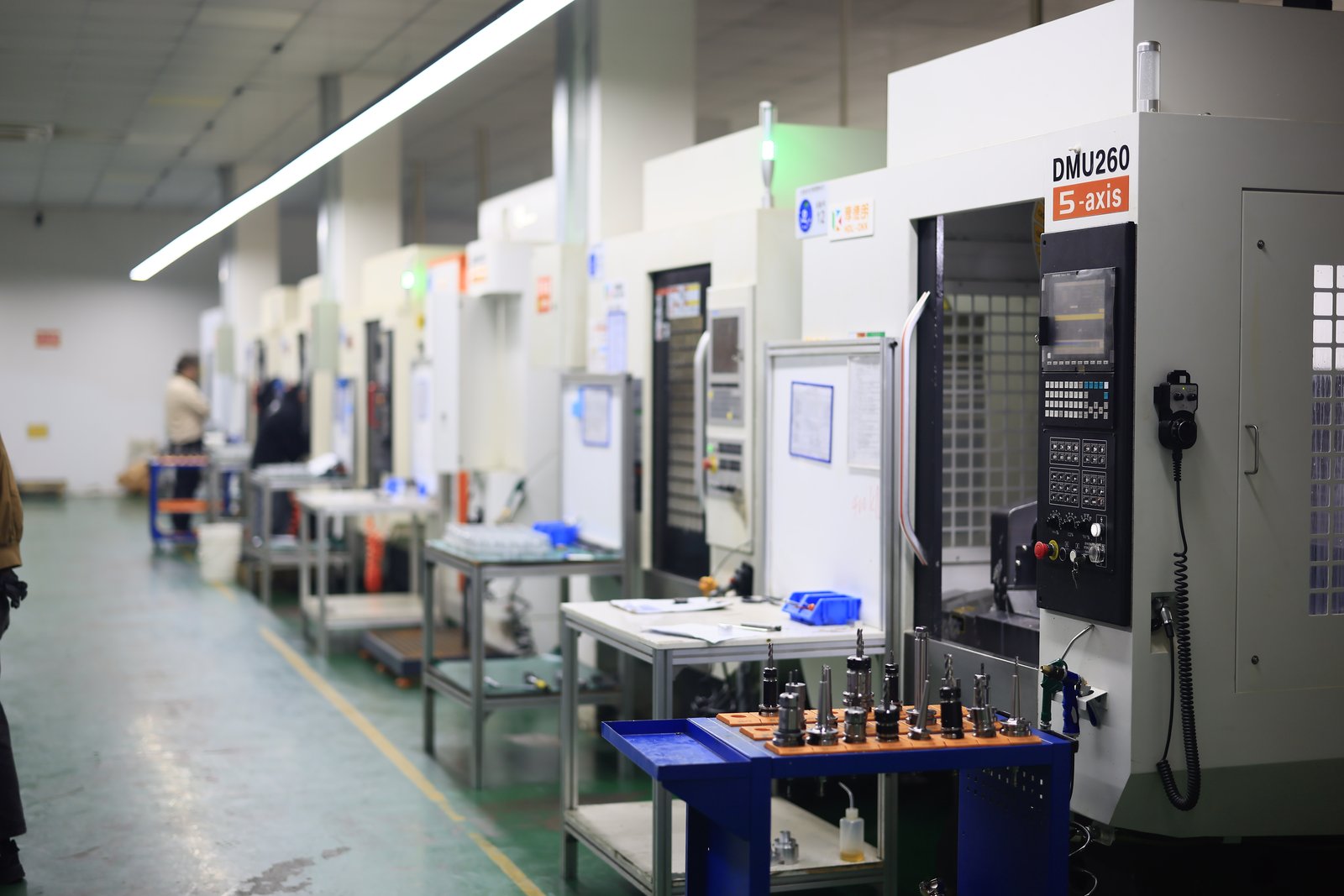
Look for a real quality system, not just a logo on a website: verifiable certifications, in-house inspection (first-article, in-process and a final sampling check, with full 100% inspection on request), CMM (coordinate measuring machine) measurement, and material certificates on request.
Clear communication
Overlapping working hours and plain English close the gap that sinks most offshore projects: the slow back-and-forth that turns a quick question into a lost week.
A buyer's checklist
Whatever shop you choose, in China or anywhere, these five questions separate a reliable supplier from a risky one before you spend a dollar:
- Ask for certificates you can verify. Not just a logo on a website, but the certificate number and the issuing body, both checkable in the registrar's database. (Ours, ISO 9001, IATF 16949, and AS9100D, are listed on our quality page.)
- Order a sample first. One piece, inspected against your drawing and approved before the full batch runs. A supplier that resists a sample-first order should give you pause.
- Agree on payment terms that protect both sides. A deposit up front with the balance due before shipment is normal (we work 50/50, with full prepayment only on orders under US$1,000); paying 100% up front to an unknown supplier is not.
- Ask the traceability question. "Can you show the mill certificate for the exact batch of metal my parts were cut from?" A real quality system answers instantly. EN 10204 3.1 is the certificate to name; it ties your parts to a documented material test.
- Test the communication before you commit. Send a technical question along with your request for quote (RFQ). How quickly and how precisely they answer predicts how the whole project will go.
Risks, honestly, and how to close them
- The part arrives wrong. Mitigate it with first-article inspection on the sample; we machine strictly to print and stand behind the machining quality.
- Your design leaks. Mitigate it with an NDA signed before files change hands and a supplier who publishes nothing without your consent. (We sign the NDA before you send anything.)
- Surprise landed costs. Mitigate them by quoting DDP on qualifying orders, which folds duties and customs into the price, or at least by getting the Incoterm (the agreed split of shipping costs and responsibility) in writing. See our shipping and Incoterms guide.
- Lead-time drift. Mitigate it by confirming the lead time on the quote and asking what pauses the clock. For us, open drawing questions pause it, because we ask rather than guess.
- The vendor disappears after payment. Mitigate it with the payment structure above, a verifiable registered company, and a first order sized to what you can afford to risk.
The short version
China pricing with North-American communication, no minimum order, so you can start with a single prototype.